Sport and recreation have always played a vital role in human life, offering physical, mental, and social benefits that extend far beyond the game itself. But in recent years, a profound shift has occurred. What used to be hobbies or weekend activities have become integral components of daily well-being, community development, and even economic growth. Today, the recreation sector is no longer just about play—it has evolved into a dynamic ecosystem blending fitness, technology, lifestyle, and culture.
The Rise of Everyday Athletes
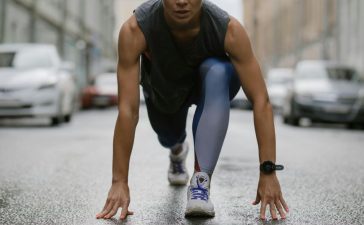
One of the defining trends in the sport and recreation world is the rise of the “everyday athlete.” More people than ever before are engaging in regular physical activity, not to compete professionally, but to improve their health and quality of life.
From recreational runners to weekend cyclists and amateur basketball leagues, active participation is increasing across all age groups. This growth is fueled by greater awareness of the importance of physical fitness, widespread access to sports programs, and the influence of social media showcasing athletic lifestyles.
Apps like Strava, Nike Run Club, and MyFitnessPal have transformed individual workouts into social experiences, motivating people through challenges, progress tracking, and virtual communities. These platforms turn ordinary individuals into part of a global movement where everyone can celebrate milestones—whether running a 5K or completing their first yoga session.
Recreation as a Mental Health Solution
Modern society faces rising levels of stress, burnout, and digital fatigue. As a result, recreation has taken on a new role: supporting mental health and emotional well-being.
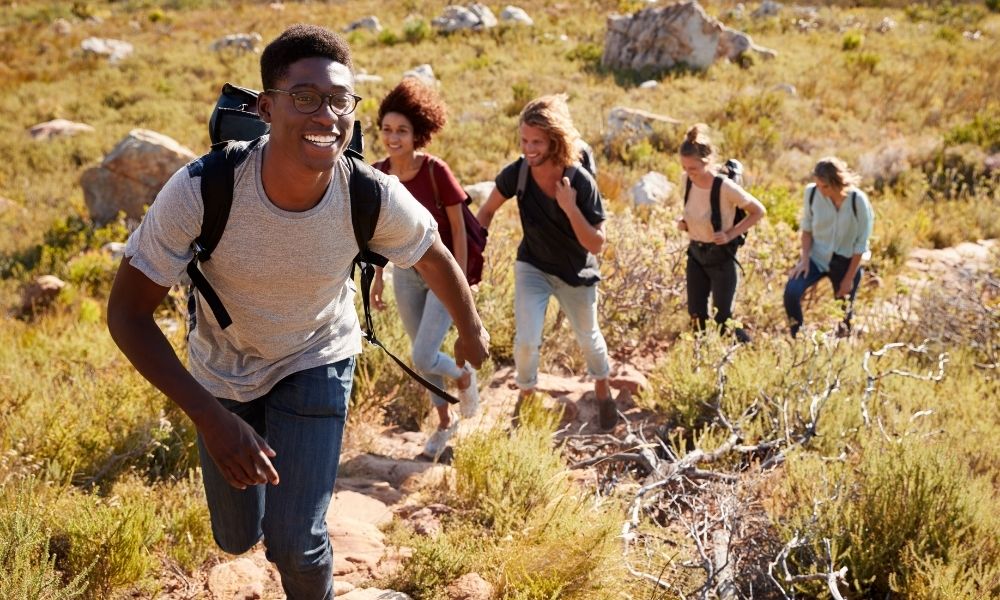
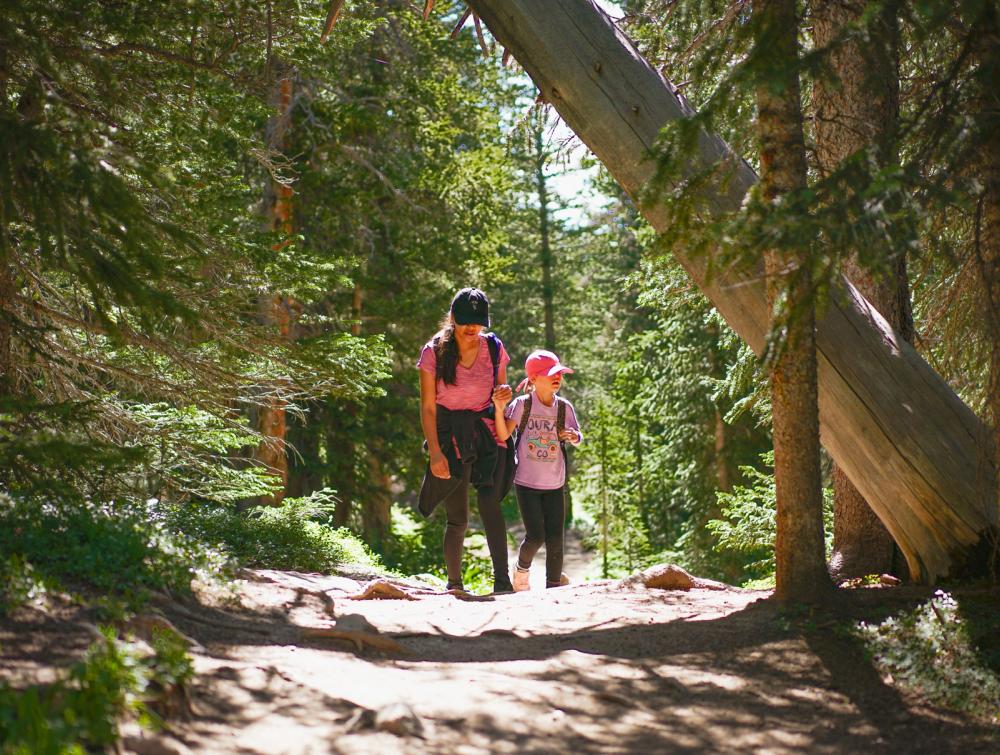
Activities such as hiking, yoga, paddle sports, and recreational team games are increasingly recognized for their therapeutic value. Studies consistently show that physical activity releases endorphins, reduces anxiety, and improves cognitive function. Outdoor recreation, in particular, has powerful benefits. Exposure to nature lowers cortisol levels, enhances mood, and fosters mindfulness.
This has led to growth in programs like forest therapy walks, outdoor fitness classes, and wellness retreats that blend recreation with mental health practices. Businesses, schools, and community centers are also incorporating recreational activities into their well-being initiatives, understanding that active people are happier and more productive.

Technology Transforming Sport Participation
Technology is changing the way people participate in sports and recreation. Innovations once reserved for professional athletes are now available to the general public.
Wearable Devices
Smartwatches, heart-rate monitors, and GPS trackers provide real-time data on performance, sleep, and recovery. These tools help individuals set goals, prevent injuries, and optimize their workouts.
Virtual and Hybrid Fitness
Virtual workouts and hybrid training models grew rapidly in recent years, allowing people to participate in sports classes from anywhere. Cycling platforms like Zwift, VR boxing games, and online fitness subscriptions have made training more accessible and entertaining.
Smart Equipment
From AI-powered rowing machines to connected treadmills and interactive home gyms, technology creates engaging, personalized workout experiences. These innovations break down barriers for people who prefer exercising at home or need guidance without hiring a trainer.
Community Sports: Building Connection and Belonging
Sport and recreation bring people together, creating communities that transcend age, background, and skill level. Local clubs, youth leagues, and community fitness events foster camaraderie and social connection—benefits that are increasingly valuable in a digital world where people often feel isolated.
Recreational sports encourage teamwork, leadership, and trust. Whether it’s a group of friends playing weekend volleyball or a community hosting a charity marathon, the sense of belonging built through sports can strengthen social ties and promote healthier lifestyles.
Many cities are investing in public recreation facilities—outdoor gyms, bike paths, multipurpose courts, and community centers—to make sport more accessible. These infrastructures promote inclusion and give families safe spaces to engage in healthy activities.
Adventure Recreation: The Thrill-Seeker’s Playground
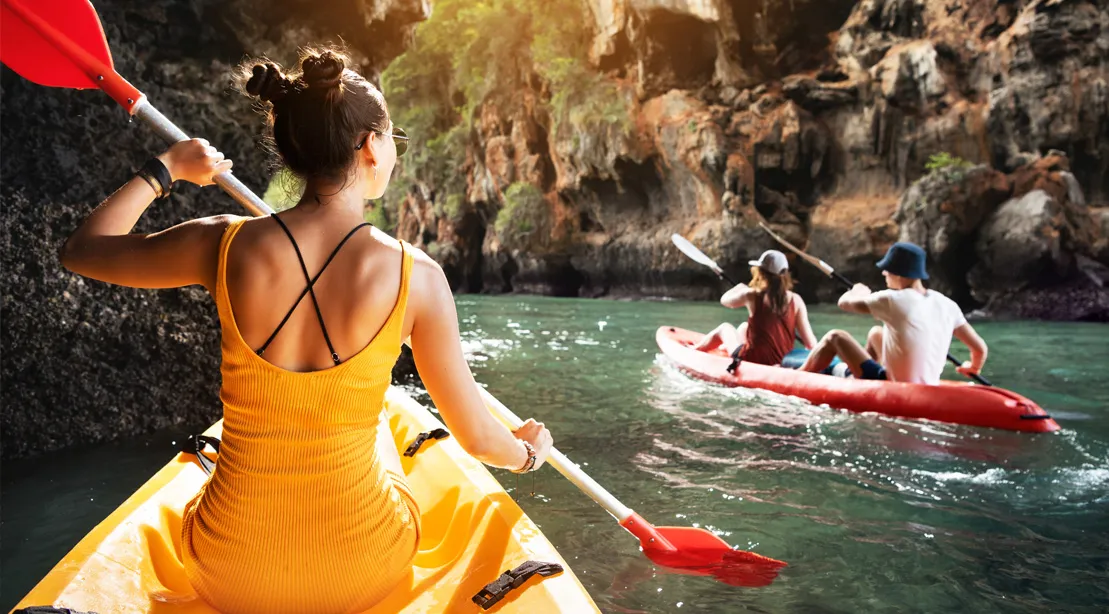
Adventure-based recreation has exploded in popularity as people seek more excitement and personal challenge. Activities like rock climbing, mountain biking, kayaking, trail running, and obstacle races attract individuals who crave adrenaline and immersive experiences.
This trend is driven by a desire to escape routine, push physical limits, and reconnect with nature. Adventure tourism has also become a booming sector, boosting local economies through outdoor gear sales, training programs, travel packages, and guided excursions.
Even indoor climbing gyms and urban adventure parks are thriving, offering accessible ways for people to participate in thrilling recreational activities regardless of weather or geography.
Youth Sports and Development
Youth participation in sports continues to be a cornerstone of physical and social development. Organized sports teach discipline, teamwork, responsibility, and resilience. They also encourage a lifelong appreciation for fitness.
However, the youth sector faces challenges, such as increasing screen time, rising costs for competitive programs, and early specialization leading to burnout or injuries. To address this, many organizations promote diversified participation, affordable entry-level programs, and play-based development models.
The goal is to ensure that children experience the fun and joy of movement first, building confidence before focusing on performance.
Inclusivity and Adaptive Recreation
Inclusivity has become a critical focus in modern recreational sports. Adaptive programs for individuals with disabilities are expanding, offering opportunities to participate in cycling, swimming, basketball, and more with specialized equipment and trained support.
Organizations are recognizing that sport is a universal human right. As a result, accessible recreation centers, inclusive sports leagues, and adaptive outdoor adventures are becoming more common. These efforts not only promote health but also strengthen the community by embracing diversity and equal opportunity.
Economic Growth Driven by Recreation
Beyond health and wellness, the sport and recreation sector contributes significantly to local and national economies. Revenue streams come from equipment sales, gyms, sporting events, travel, facilities, coaching, and digital platforms.
Major events like marathons, tournaments, and recreational festivals attract tourism, stimulate small businesses, and create jobs. The rise of boutique fitness studios, adventure parks, and outdoor recreation companies highlights the sector’s growing commercial potential.
As consumers prioritize experiences over possessions, recreational activities are becoming major drivers of spending and lifestyle choices.
Balancing Recreation, Sustainability, and Access
While participation in recreation is booming, sustainability remains a major concern. Popular natural destinations face overcrowding, trail damage, and environmental stress. Equipment manufacturing and travel also contribute to carbon footprints.
Many organizations now promote responsible recreation, encouraging people to follow “leave no trace” principles, support eco-friendly gear makers, and participate in conservation efforts. Sustainable facilities—powered by renewable energy and designed for low environmental impact—are becoming industry standards.
Ensuring access for all economic backgrounds is another important challenge. Public investment, nonprofit programs, and community partnerships help reduce financial barriers, making sport and recreation available to everyone.

Conclusion: A Movement Toward Active Living
The world of sport and recreation is evolving rapidly, shaped by technology, health consciousness, community engagement, and adventure culture. More than just leisure, these activities have become essential pillars of modern well-being.
As societies continue to embrace active lifestyles, the impact will be profound—healthier individuals, stronger communities, and a recreation economy full of opportunity. The future of sport and recreation is not just about competition, but connection, participation, and the lifelong pursuit of a balanced, fulfilling life.