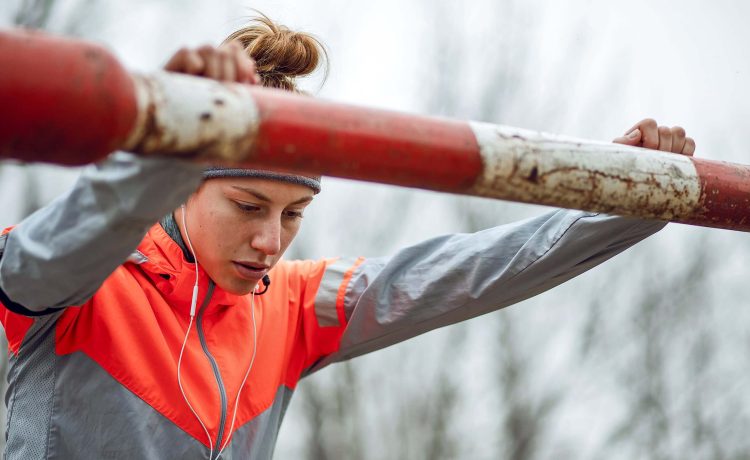
In today’s fast-paced and digitally connected world, the value of sport and recreation extends far beyond entertainment. These activities not only provide moments of leisure but also serve as essential pillars for physical health, mental well-being, social connection, and even economic growth. Whether it is professional athletes competing on the global stage or everyday people engaging in recreational pursuits, the significance of sport and recreation continues to grow in shaping modern lifestyles.
Physical Health Benefits
One of the most obvious and widely recognized benefits of sports and recreational activities is improved physical health. Regular participation in activities such as football, tennis, swimming, or even recreational cycling helps strengthen the cardiovascular system, improve muscular endurance, and maintain healthy body weight. According to health organizations, individuals who engage in at least 150 minutes of moderate exercise per week significantly reduce their risk of chronic diseases such as heart disease, diabetes, and obesity.
Recreational sports provide a sustainable way to incorporate movement into daily life without it feeling like a chore. For example, a casual game of basketball with friends can burn hundreds of calories while simultaneously offering enjoyment and camaraderie. This balance between fun and fitness is what makes recreation such a vital component of a healthy lifestyle.
Mental and Emotional Well-Being
Beyond physical health, sport and recreation play an increasingly important role in maintaining mental and emotional balance. Exercise releases endorphins, often referred to as “happy hormones,” which help reduce stress, anxiety, and depression. Recreational activities, particularly those performed outdoors like hiking or kayaking, also allow people to disconnect from technology, reconnect with nature, and find a sense of calm in otherwise stressful routines.
Team sports, in particular, offer emotional support by fostering a sense of belonging. Being part of a club, league, or even an informal group creates bonds that extend beyond the playing field. The shared challenges of training, competition, and victory—or even defeat—build resilience and emotional intelligence that individuals can apply in their personal and professional lives.
Social and Cultural Impact
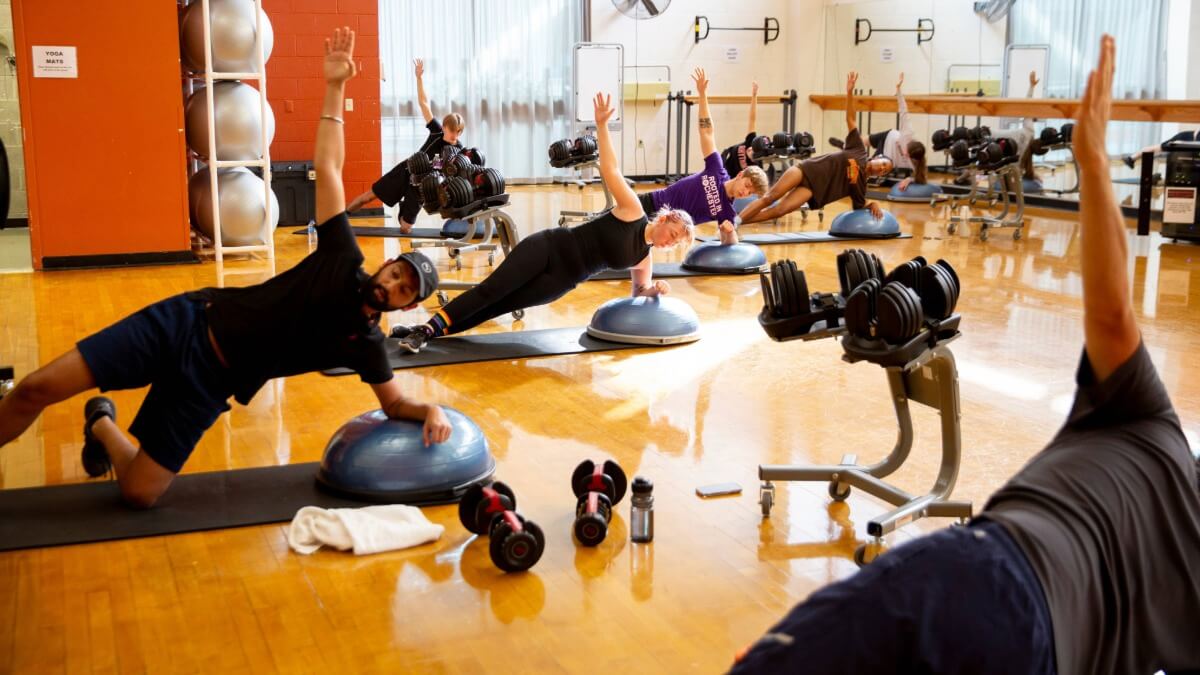
Sports have historically acted as a bridge between cultures and communities. Recreational and competitive activities bring together people from diverse backgrounds and create shared experiences that transcend language, ethnicity, or nationality. Consider global events such as the Olympics or the FIFA World Cup, where millions unite under a common love for sport. Even at a local level, community leagues and recreational centers are spaces where friendships blossom, networks expand, and collective identities form.
In many societies, recreational spaces such as parks, gyms, and swimming pools are designed to encourage inclusivity. They provide opportunities for youth development, offering young people safe and constructive outlets for their energy while teaching them discipline and teamwork. For seniors, recreational programs designed around yoga, walking clubs, or light aerobics help reduce loneliness and encourage active aging.
The Economic Contribution
Sport and recreation also have a significant economic dimension. Professional sports generate billions in revenue annually, fueling industries such as broadcasting, advertising, tourism, and merchandising. However, recreational activities also play a critical role in local economies. The popularity of fitness clubs, wellness centers, and outdoor adventure companies has given rise to countless jobs and entrepreneurial opportunities.
In many cities, investment in recreational infrastructure—such as multipurpose sports complexes, bike paths, and nature trails—has boosted tourism and revitalized neighborhoods. Events like marathons or triathlons attract participants and visitors from around the world, creating a ripple effect that benefits hotels, restaurants, and transportation services. In this way, sport and recreation are not just leisure activities but also drivers of sustainable economic development.
Technology and Innovation in Sport and Recreation
The digital age has introduced new ways of experiencing sport and recreation. Wearable fitness trackers, mobile health apps, and virtual reality training programs allow individuals to monitor and enhance their performance. Video games have also entered the recreational landscape, creating hybrid spaces where e-sports and traditional sports sometimes intersect.
For example, virtual cycling platforms like Zwift enable riders to connect globally while exercising indoors. Similarly, recreational runners can participate in virtual marathons, competing against others without leaving their hometowns. Technology has also made recreational facilities more accessible, with online booking systems, AI-powered training tools, and interactive fitness classes making it easier for people to stay engaged.
Challenges and Barriers
Despite the numerous benefits, challenges remain in ensuring that sport and recreation are accessible to everyone. Cost can be a major barrier, as club memberships, equipment, and event fees are not affordable for all. Geographic location also plays a role, with rural areas often lacking the same recreational infrastructure as urban centers. Additionally, societal pressures—such as long working hours and digital distractions—can limit the time people dedicate to physical activity.
Inclusivity is another important issue. Women, minorities, and individuals with disabilities often face systemic barriers that restrict participation in both professional and recreational sports. Addressing these gaps requires thoughtful policies, community engagement, and the promotion of diverse role models who can inspire greater participation across all demographics.
The Future of Sport and Recreation
Looking ahead, the role of sport and recreation will likely continue to evolve in response to shifting lifestyles and societal needs. Sustainability is becoming an increasingly important focus, with organizations seeking to reduce the environmental footprint of major sporting events and recreational facilities. There is also a growing emphasis on holistic wellness, blending physical fitness with mindfulness practices like meditation and yoga.
Hybrid recreational models—combining in-person and digital experiences—are expected to expand, making activities more accessible and adaptable. Furthermore, as global health concerns remain in the spotlight, sport and recreation will continue to be promoted not only as leisure but as vital public health strategies.
Conclusion
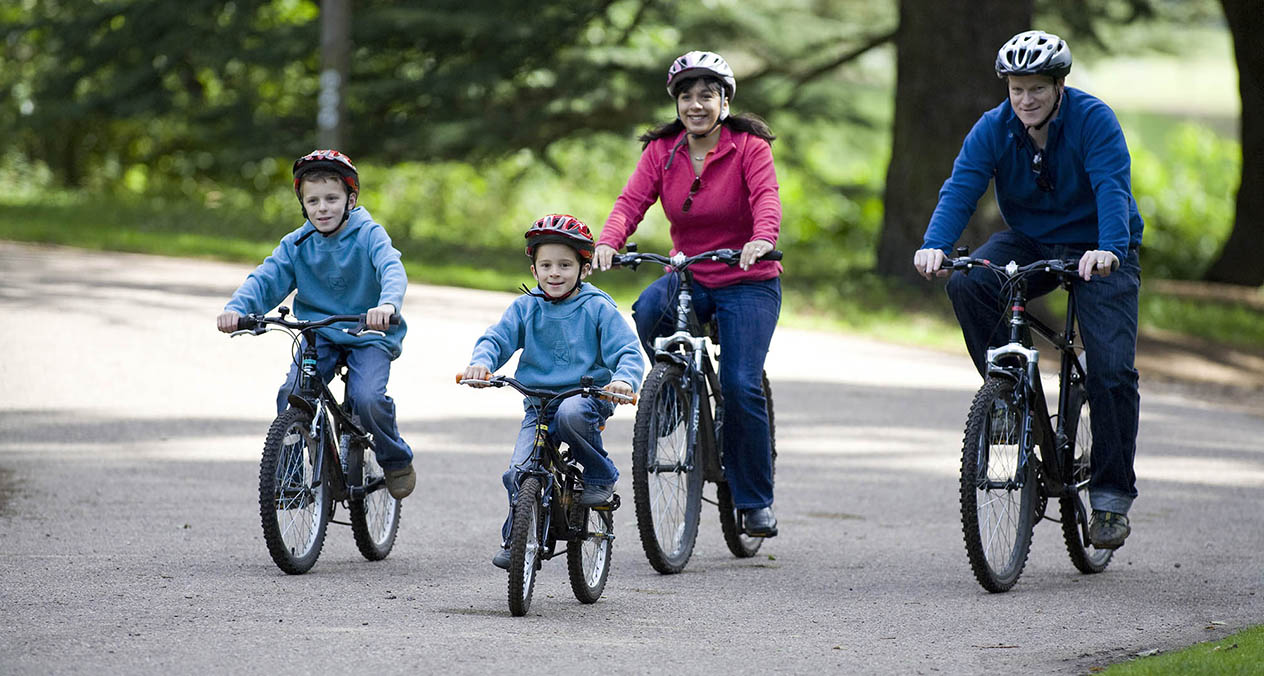
Sport and recreation hold a central place in modern society. They are not simply pastimes or competitive spectacles; they are essential mechanisms for promoting health, strengthening communities, boosting economies, and shaping cultural identity. Whether enjoyed casually on a weekend hike or pursued professionally on an international stage, these activities enrich lives in ways that extend well beyond the playing field.
As the world becomes more interconnected and health-conscious, the importance of balancing competition and well-being through sport and recreation will only continue to grow. By investing in accessibility, inclusivity, and innovation, societies can ensure that the transformative power of sport and recreation remains a shared resource for generations to come.