In an era dominated by digital screens, busy schedules, and growing mental health concerns, the importance of sport and recreation has never been greater. Whether it’s playing a game of basketball at the local park, going for a morning run, joining a community football league, or practicing yoga, these activities offer more than just physical benefits—they foster social connection, emotional resilience, and personal development.
From youth to seniors, from amateur athletes to weekend warriors, sport and recreation are essential components of a healthy and balanced life. This article explores the multifaceted impact of sport and recreation on individuals, communities, and society at large—and why we must invest in them more than ever.
1. Physical Health: The Foundation of Wellness
At its core, sport and recreation promote physical fitness. Regular activity helps:
-
Maintain a healthy weight
-
Improve cardiovascular health
-
Strengthen muscles and bones
-
Boost energy and endurance
-
Lower the risk of chronic diseases such as diabetes, obesity, and heart conditions
Activities like swimming, cycling, team sports, or gym workouts provide enjoyable ways to stay active and fit. Importantly, the recreational nature of these activities means people are more likely to stick with them long term, compared to rigid exercise programs.
Even low-impact recreational sports such as walking, dancing, or tai chi offer significant health benefits—especially for older adults or individuals recovering from injuries.
2. Mental Health: Recreation as a Natural Stress Reliever
Sport and recreation also play a crucial role in mental health. Physical activity releases endorphins—our body’s natural “feel-good” chemicals—which help reduce stress, anxiety, and symptoms of depression.
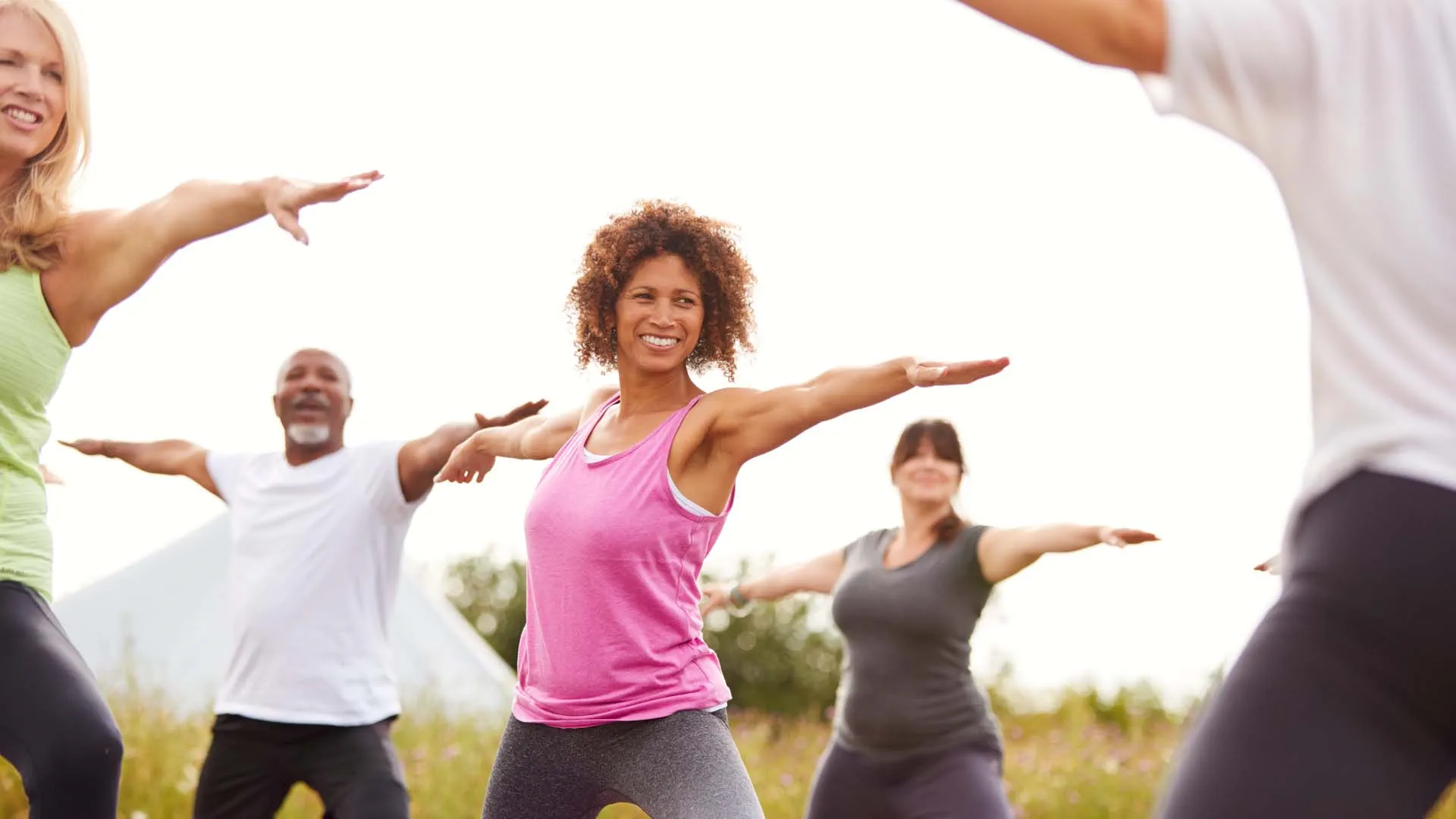
Other mental benefits include:
-
Improved sleep quality
-
Higher self-esteem and confidence
-
Increased concentration and memory
-
A sense of achievement and purpose
Engaging in recreational sport is especially beneficial in combating burnout and promoting work-life balance. It offers a break from daily responsibilities, allowing individuals to recharge and reconnect with themselves.
3. Social Connection: Building Relationships Through Play
One of the most powerful, yet often overlooked, aspects of sport and recreation is their ability to bring people together. Playing in a team, joining a club, or even participating in group fitness classes fosters social interaction and community engagement.
These interactions:
-
Improve communication skills
-
Promote teamwork and cooperation
-
Reduce loneliness and isolation
-
Create inclusive, supportive environments
For youth, participating in sports builds friendships and teaches important life lessons like fair play, perseverance, and handling victory or defeat. For adults, sports can offer networking opportunities and a fun way to meet new people.
4. Youth Development: Shaping Character and Habits
For children and teenagers, sport and recreation are critical not just for health, but for development. Youth sports teach discipline, responsibility, and how to set and pursue goals.
Benefits for young participants include:
-
Improved academic performance
-
Reduced risk of substance abuse
-
Greater resilience and adaptability
-
Development of leadership skills
Recreational leagues that emphasize fun, participation, and inclusion rather than just competition help young people build a healthy relationship with physical activity—something that can last a lifetime.
5. Community Impact: Sport as a Tool for Social Change
On a larger scale, sport and recreation programs strengthen communities. Well-organized local sports initiatives can:
-
Reduce crime rates by providing structured activities for youth
-
Foster inclusion of marginalized groups
-
Promote cross-cultural understanding
-
Encourage volunteerism and civic engagement
Sports have also been used globally as a tool for peace-building, rehabilitation, and empowerment. Organizations like the UN and NGOs use sport to address issues such as gender inequality, poverty, and social cohesion.
When communities invest in accessible parks, sports facilities, and recreation centers, they’re investing in social infrastructure that improves quality of life for everyone.
6. Economic Benefits: Recreation as an Industry
Sport and recreation are not just social assets—they’re also major contributors to the economy. This industry generates billions globally through:
-
Sporting goods and equipment
-
Gym memberships and fitness classes
-
Ticket sales and sporting events
-
Tourism related to recreation and adventure sports
-
Jobs in coaching, training, facility management, and event planning
Recreational sports leagues also benefit local businesses, from sports apparel retailers to restaurants and cafes that cater to active individuals and families.
Governments that support the sport and recreation sector can expect returns in the form of healthier populations, lower healthcare costs, and increased economic activity.
7. Inclusive and Adaptive Recreation: Access for All
A modern approach to sport and recreation emphasizes inclusion and accessibility. Everyone—regardless of age, ability, gender, or income—should have the opportunity to participate.
Adaptive sports programs are designed for individuals with disabilities, ensuring that everyone can enjoy the benefits of physical activity and competition. This includes activities such as wheelchair basketball, para-swimming, and inclusive fitness classes.
Public policy and urban design also play a role. Walkable cities, accessible parks, and community funding for recreational programs help break down barriers and promote active lifestyles across all demographics.
8. Recreation and Technology: A New Era of Engagement
Technology is transforming how we engage with sport and recreation. Wearable fitness trackers, mobile apps, and virtual workouts have opened new pathways for people to stay active and motivated.
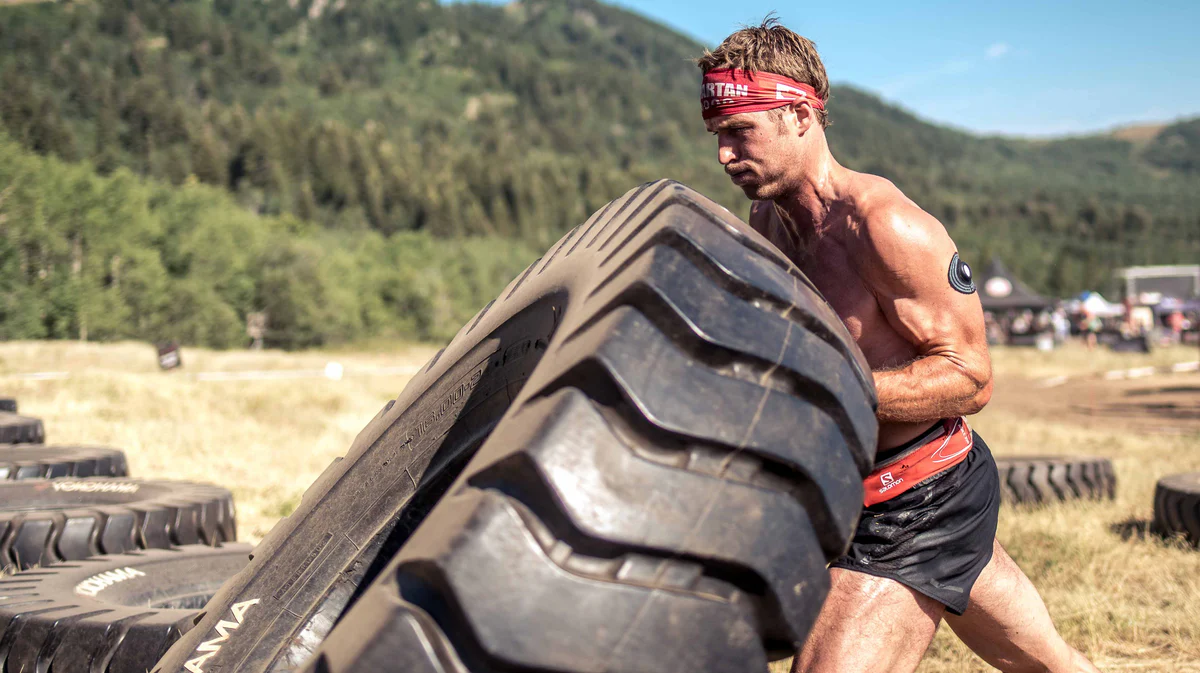
Examples include:
-
Apps for tracking runs or bike rides
-
Online yoga and fitness classes
-
Virtual reality sports games
-
Community platforms for organizing pickup games or group hikes
While tech-based solutions should complement—not replace—real-world activity, they can be powerful tools for encouraging consistent movement and participation, especially for people with limited access to in-person activities.
9. The Role of Recreation in Lifelong Health
Recreation isn’t just for the young or the athletic. It’s a lifelong pursuit that evolves with age and lifestyle. Seniors can benefit tremendously from recreational activities that focus on flexibility, balance, and social engagement.
As we age, recreational movement helps:
-
Prevent falls and mobility issues
-
Maintain independence
-
Delay the onset of cognitive decline
-
Support emotional well-being
Programs tailored to older adults—like water aerobics, walking clubs, and chair yoga—can greatly improve quality of life and reduce healthcare needs in the aging population.
Conclusion: Prioritizing Sport and Recreation in Our Lives
Sport and recreation are not luxuries—they are essential components of a healthy, balanced, and fulfilling life. They build stronger bodies, sharper minds, and more connected communities. Whether it’s through competitive sports, individual fitness routines, or casual recreational games, regular movement and play have the power to transform lives.
Governments, schools, organizations, and individuals all have a role to play in promoting access to recreational opportunities. It’s time to move beyond passive lifestyles and embrace the joy, challenge, and camaraderie that comes from being active.
So whether you lace up your running shoes, pick up a racket, join a team, or simply take a walk in the park—know that you’re doing something good not just for yourself, but for your community and society at large.